Exploring the East Sooke
Introduction
For this multimedia story, I decided to explore East Sooke Regional Park. Although I have been living in Victoria for almost three years, I realized that I had not explored many places outside the city. East Sooke is well known for its hiking trails, wildlife, and coastal scenery, making it an ideal destination for this project. I wanted to use this assignment as an opportunity to experience more of Vancouver Island’s natural environment while improving my photography and storytelling skills. Through this adventure, I hoped to discover a new place, capture its atmosphere through different forms of media, and reflect on my experience in nature.
Preparation & Planning
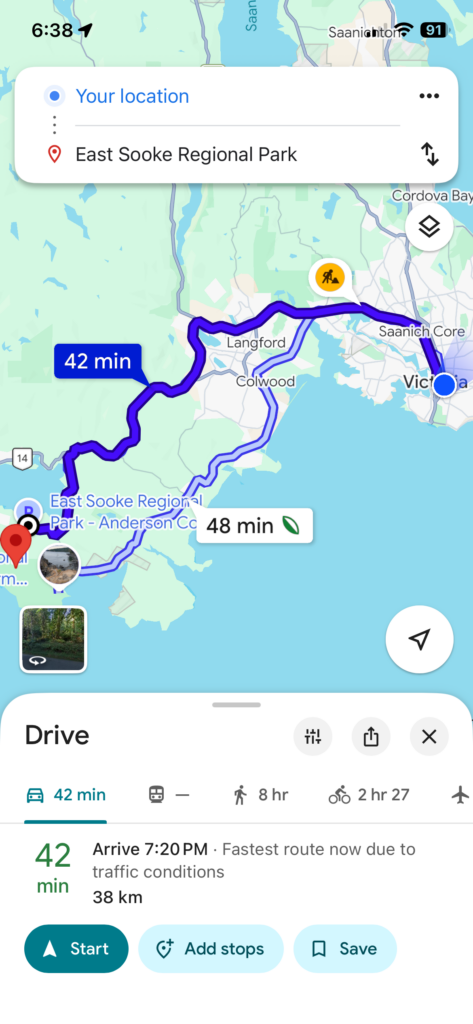
In planning this trip, the most important thing was the weather because I ride a motorcycle, and I do not want to go on a hike with wet clothes. So I checked the weather and routes to get to the East Sooke Regional Park to make sure which exit I would need to use.
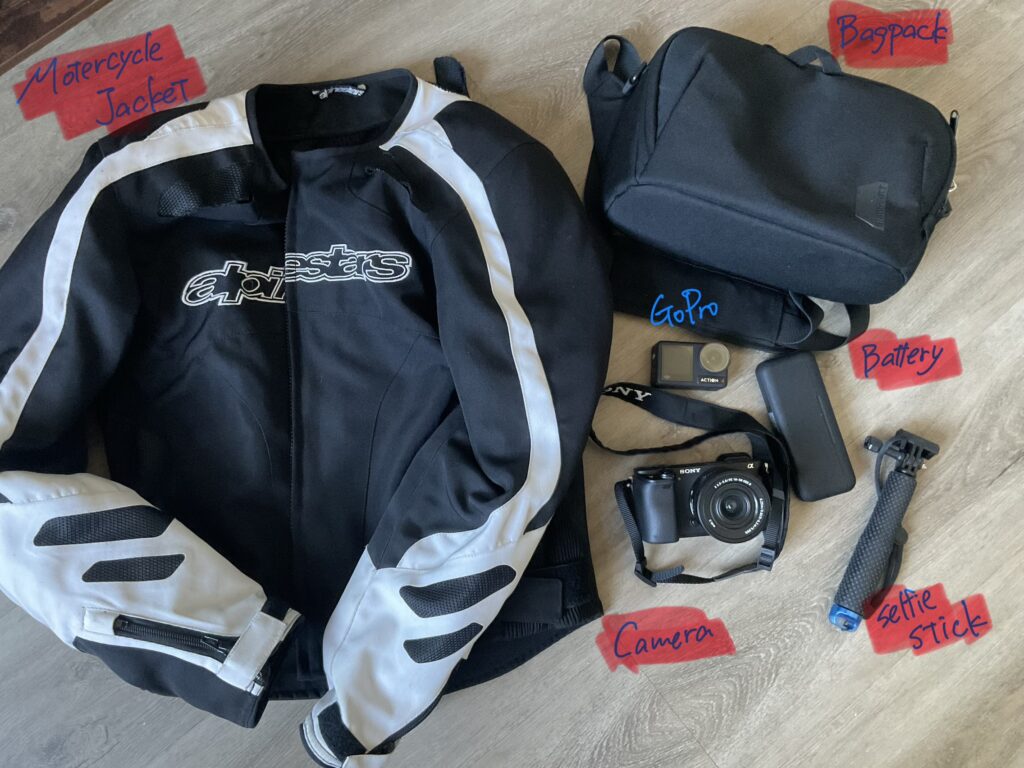
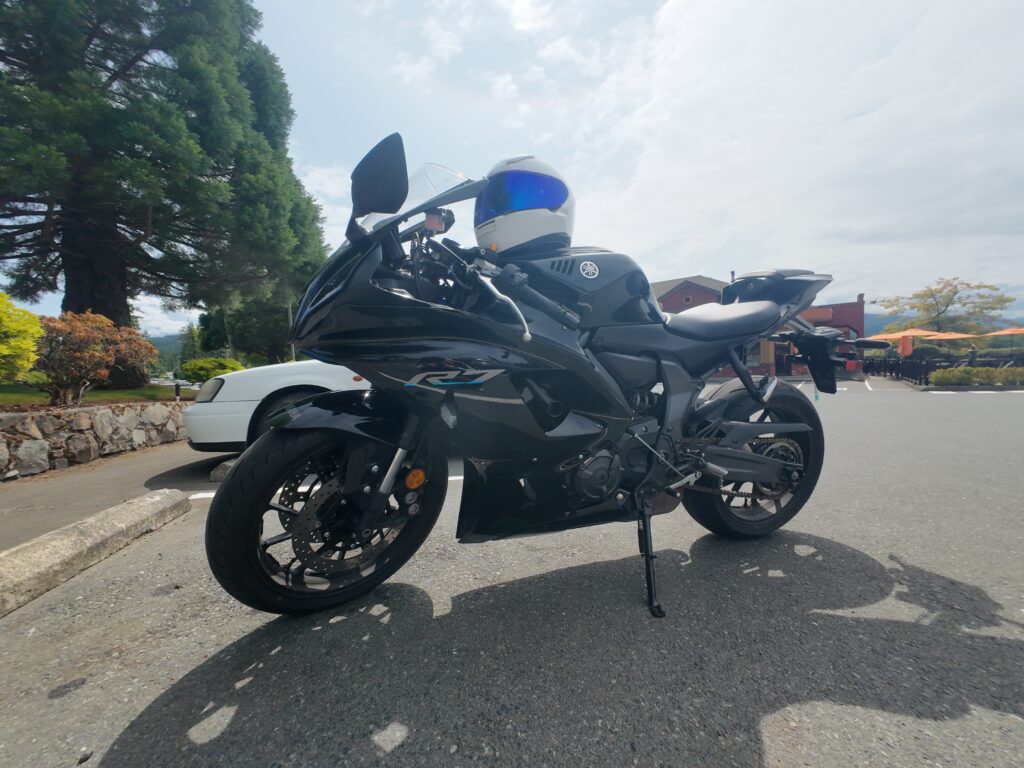
For this adventure, I needed to prepare both my photography equipment and motorcycle gear. Since I was travelling by motorcycle, safety and weather protection were important considerations. I packed my camera, fully charged batteries, and ensured there was enough storage space available for photos and videos. I also prepared my motorcycle jacket, backpack, and other riding equipment to make the trip safe and comfortable. Because I planned to spend several hours outdoors, checking the weather forecast beforehand was an important part of the preparation process.
Starting the trip
The weather was perfect, but the temperature was a little high for riding. I expected that a lot of people would go there in the afternoon, and I did not want to go there at the busiest time, so I decided to go after 5 pm.
As I left Victoria, the scenery gradually changed from city streets to forested roads. The traffic was lighter than I expected, allowing me to enjoy the ride and focus on the surroundings. Along the way, I noticed signs warning drivers about wildlife such as deer and bears, which reminded me that I was entering a more natural environment. The ride itself became an important part of the adventure rather than simply transportation to the destination.
Arriving and Exploring the Park
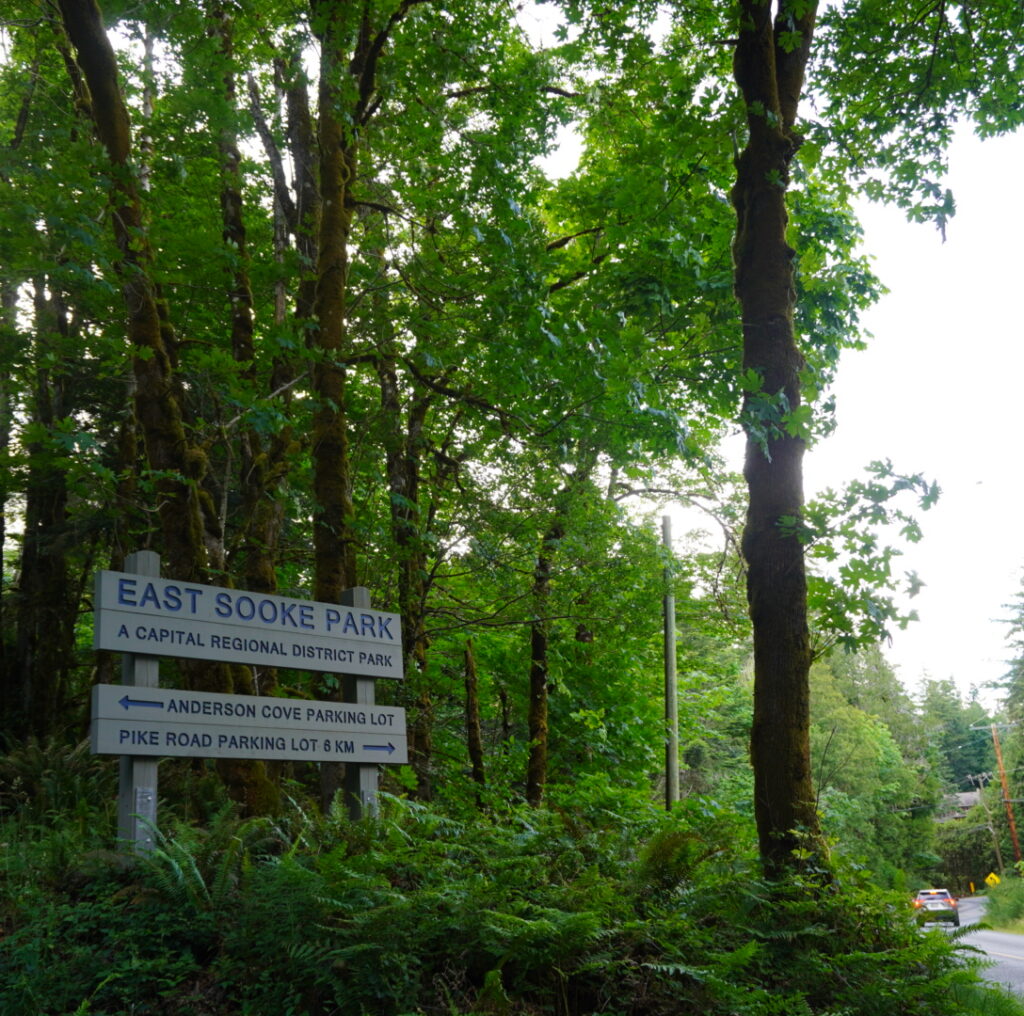
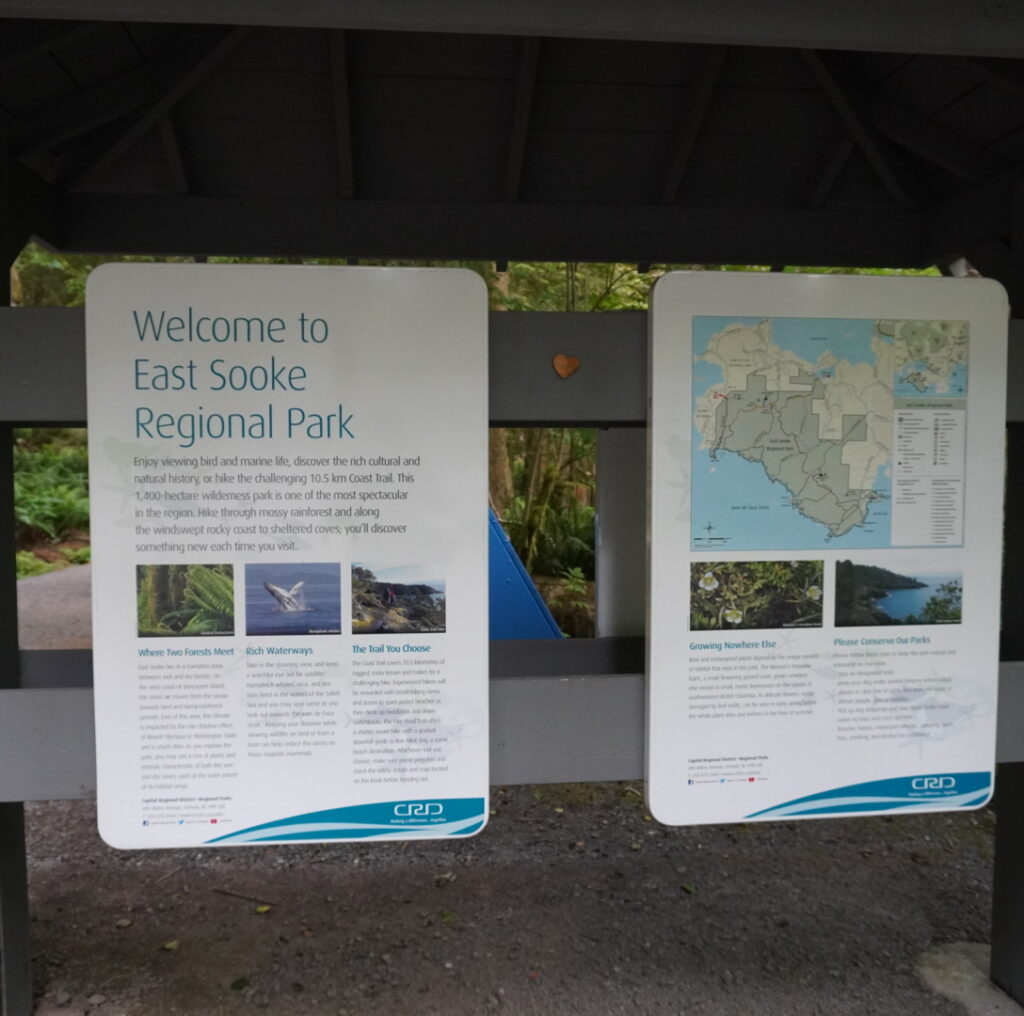
After about 40 min of riding, I arrived at East Sooke Regional Park. Although I had seen photos of the park online while planning this trip, seeing it in person felt very different. There were no people at the park, so the area was much quieter than I expected, and the natural surroundings immediately made me feel far away from the city.
Beginning the Hike
After parking my motorcycle and organizing my camera equipment, I started walking along the trail. The path was surrounded by trees and greenery, and the sounds of birds and wind created a peaceful atmosphere. At this point, I felt excited to explore an area of Vancouver Island that I had never visited before.
Shortly after entering the trial, I was surprised by the size of the trees. Many appeared to be much older than I expected, and some were so large that it was difficult to capture them fully in a single photograph. The forest felt untouched and very different from the urban environment I experience every day in Victoria.
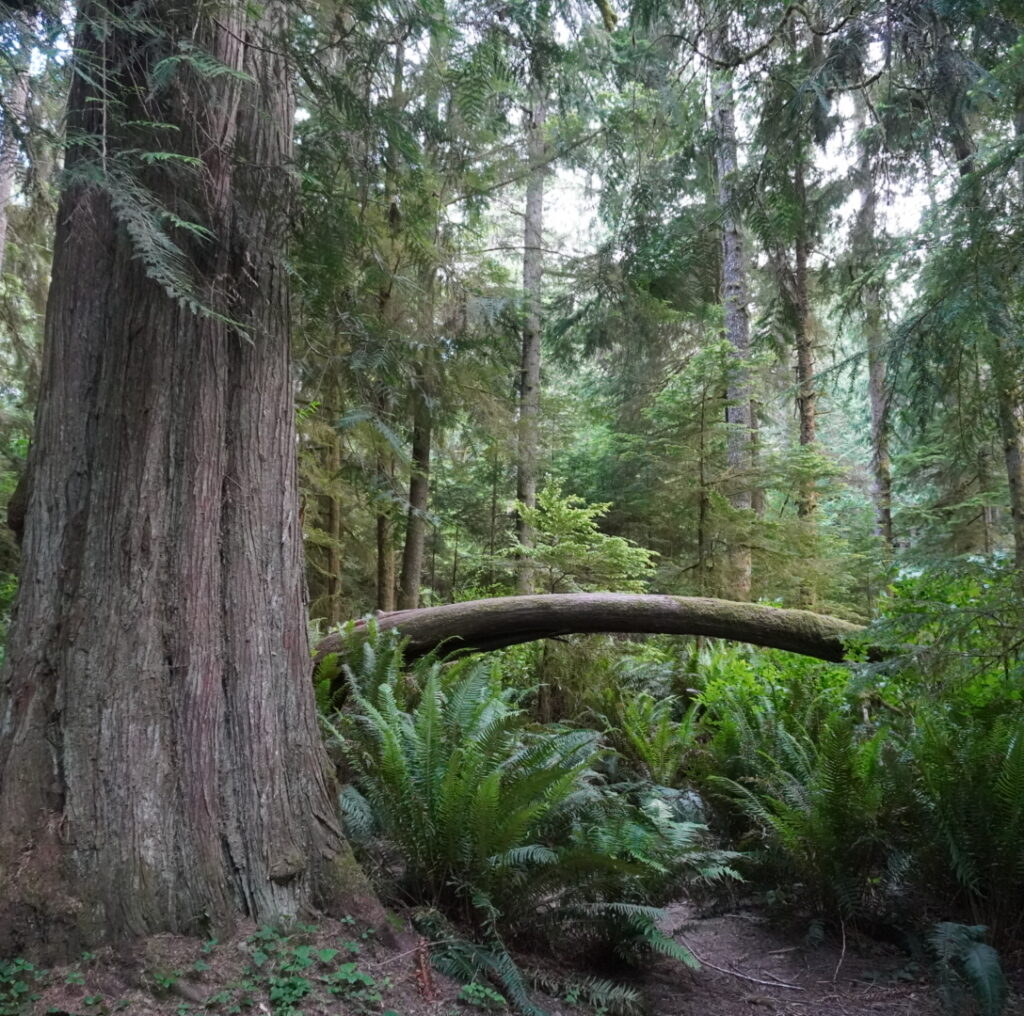
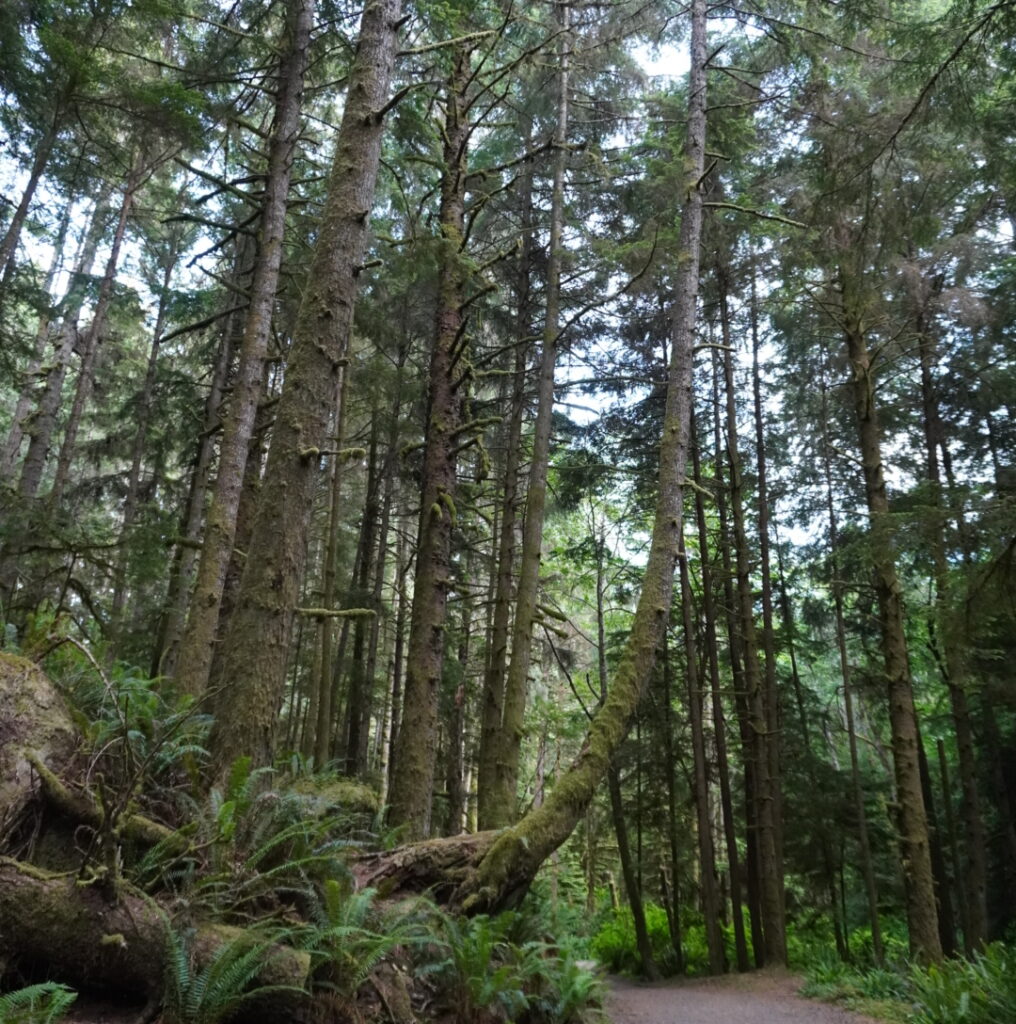
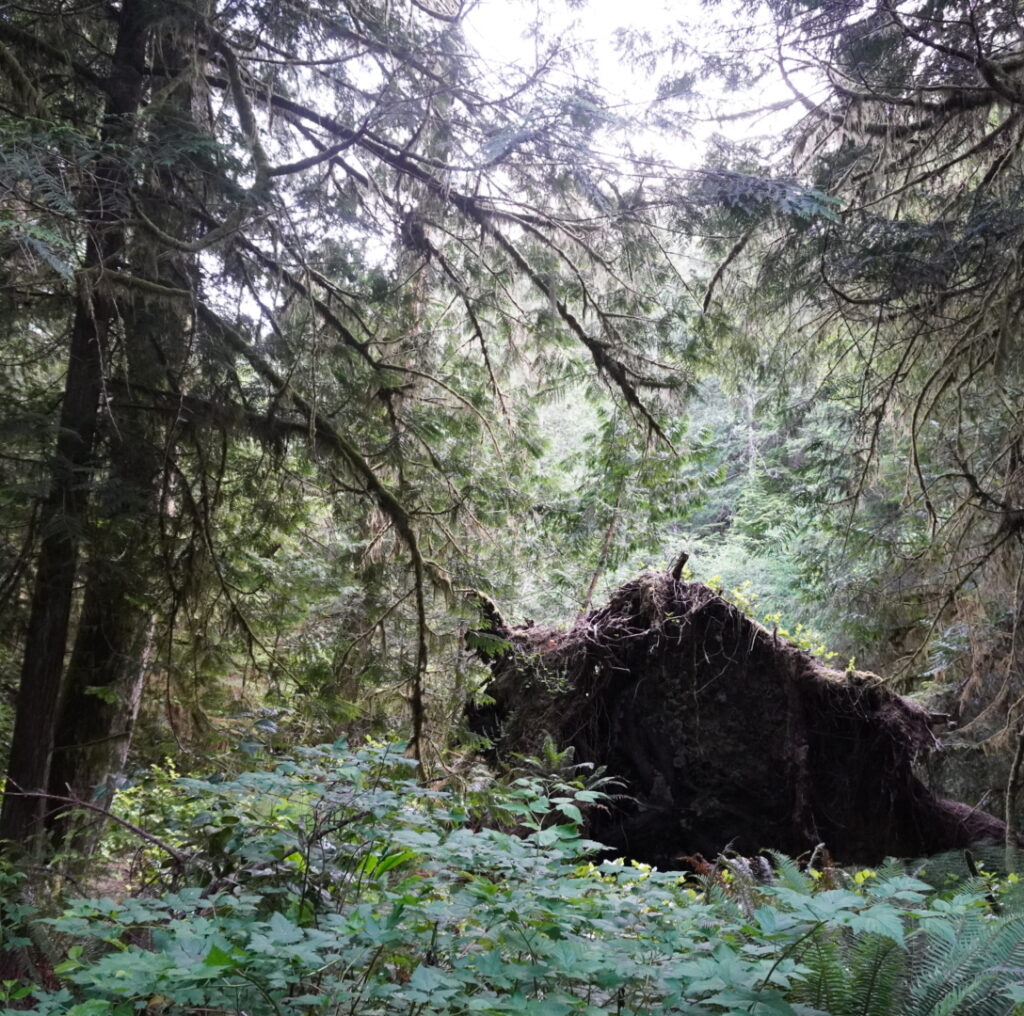
One thing that caught my attention was the number of fallen trees throughout the forest. Some had been uprooted entirely, exposing massive root systems. Even though these trees had fallen, they remained an important part of the landscape and demonstrated how forests continue to change over time.
Unexpected Discoveries
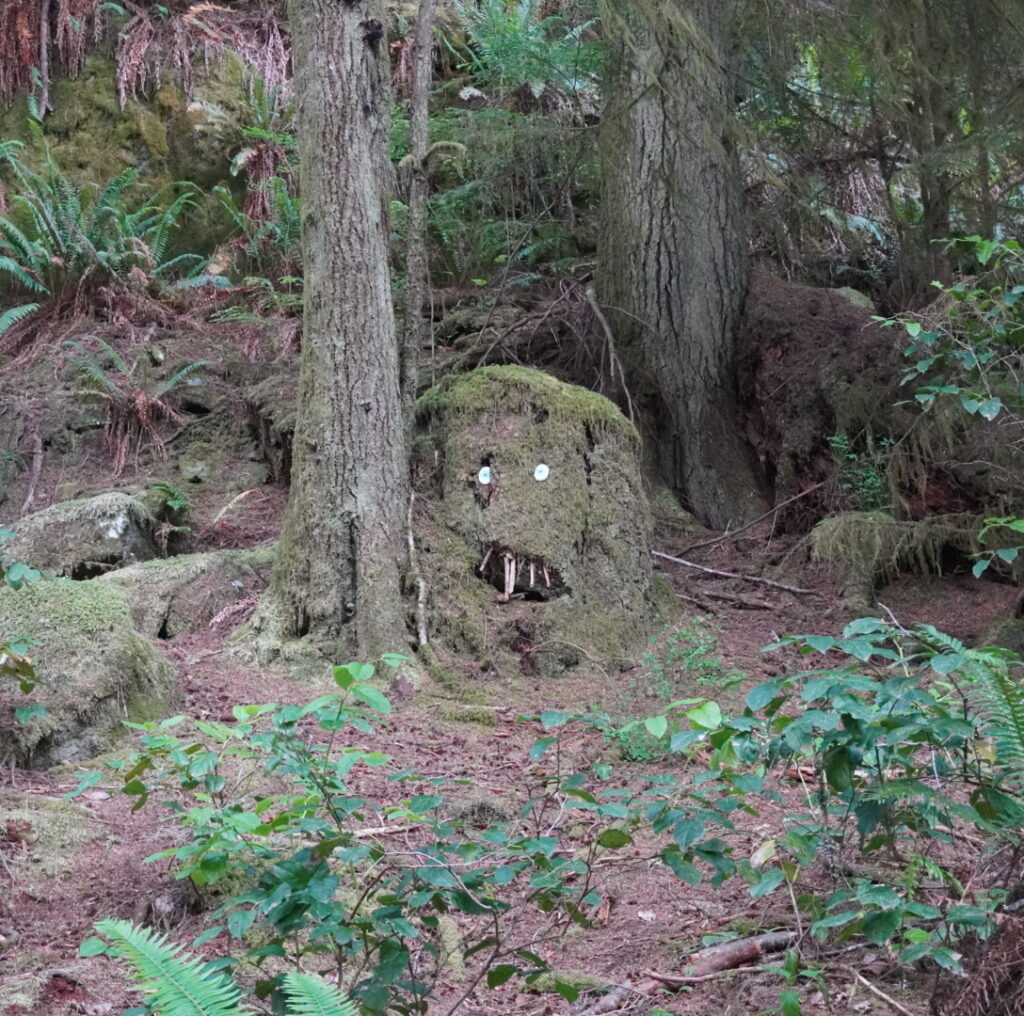
While hiking, I came across several unexpected details that made the experience memorable. One of them was a tree stump that had been decorated to look like a face. Discoveries like this added personality to the trail and reminded me that other visitors had interacted with the environment before me.
Arriving the Coast
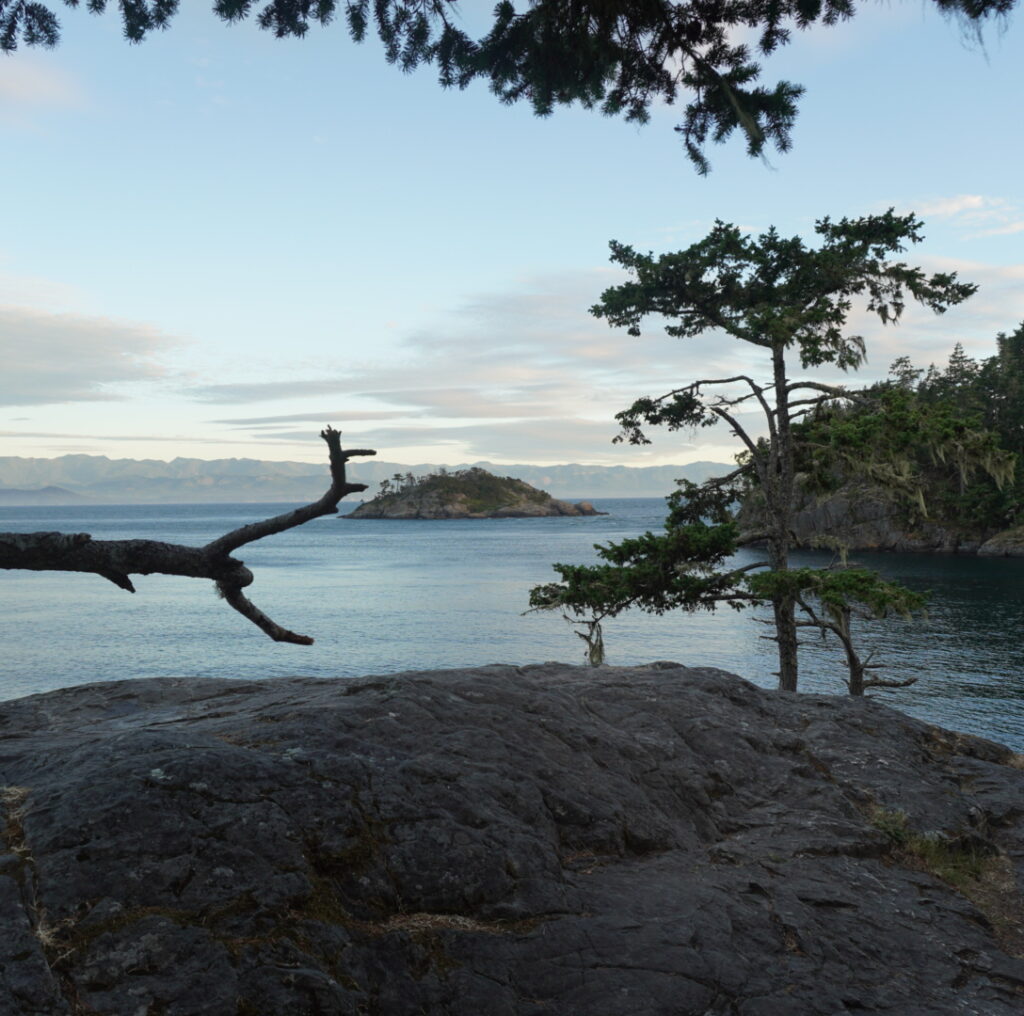
After hiking through the forest, the landscape suddenly opened up and revealed the coastline. Seeing the ocean after spending so much time surrounded by trees felt rewarding and made the hike worthwhile.
I spent several hours at the viewpoint taking photographs and simply enjoying the scenery. The calm water, coastal trees, and sound of the waves created a peaceful atmosphere that was difficult to capture through text alone.
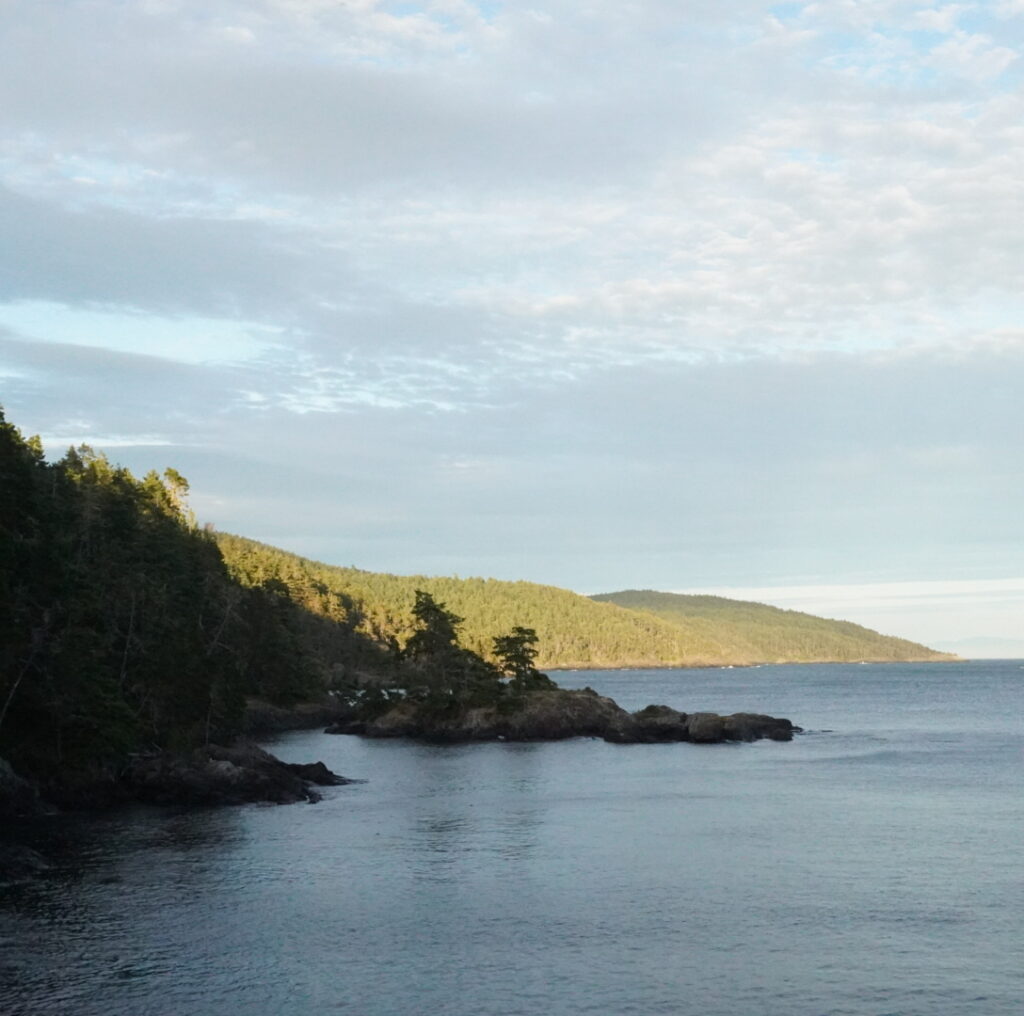
Looking across the coastline, I was surprised by how much natural beauty exists so close to Victoria. Although I have lived here for several years, this trip reminded me that there are still many places around Vancouver Island that I have not explored.
Reflection
Creating this multimedia story helped me experience East Sooke Regional Park in a different way than a normal hike. Because I planned to document the trip through photos and videos, I paid more attention to details in the environment, including the large trees, fallen logs, forest trails, and coastal scenery. Instead of simply walking through the park, I found myself stopping frequently to think about which moments would best represent the experience.
One challenge I encountered during this adventure was photographing wildlife. While I could hear many birds throughout the forest, most of them remained hidden high in the trees or within dense bushes. By the time I located the source of a sound, the birds had often moved away or were obscured by branches and leaves. This made it difficult to capture clear wildlife photographs despite spending time searching for them.
Although I was unable to take many wildlife photos, the experience reminded me that nature photography requires patience and cannot always be planned. Instead, I shifted my focus toward photographing the forest itself, including the large trees, fallen logs, and coastal scenery. Adapting to these challenges helped me create a story that still represented the experience of exploring East Sooke Regional Park.
Applying Mayer’s Principles of Multimedia Learning
Signaling Principle
I used clear headings and sections throughout my story, such as Preparation, Exploring the Forest, and Reaching the Coast. I also included a map at the beginning to help readers understand where the adventure would take place.
Segmenting Principle
I organized the story into separate stages of the journey rather than presenting everything at once. This allows readers to follow the experience step by step, from planning the trip to exploring the forest and coastline.
Coherence Principle
I took many more photographs during the trip, but I selected only the images that best represented the forest, wildlife, and coastline. Removing unnecessary content helped keep the story focused and easy to follow.
Modality Principle
I combined text, photographs, and videos throughout the story. The videos allowed viewers to hear environmental sounds such as ocean waves and birds while also seeing the scenery, which helped communicate the experience through both visual and auditory channels.
Contiguity Principle
I placed photos and videos close to the text that describes them. This helps readers connect the written explanations with the visuals without to search through the page.
Personalization Principle
I wrote the story from my own perspective and shared my thoughts and experiences during the trip. Using a conversational style makes the story more engaging and relatable for readers.
This experience helped me better understand how multimedia can be used to communicate ideas and experiences effectively. Using different forms of media allowed me to present the environment in a more engaging and meaningful way. I will apply these lessons to future projects and presentations.
Recent Comments